We have stumbled upon this article about Understanding Your Home's Plumbing Anatomy directly below on the internet and decided it made perfect sense to write about it with you on my blog.
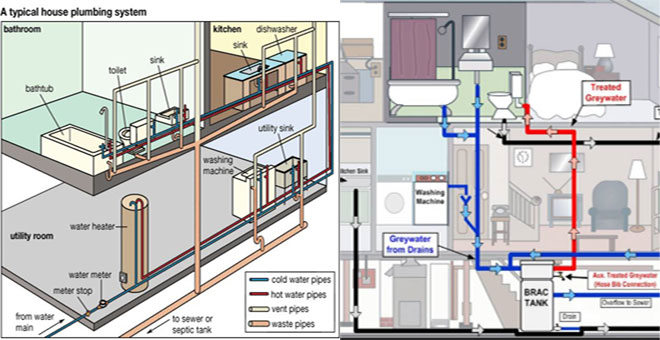
Understanding just how your home's plumbing system functions is vital for every home owner. From supplying clean water for alcohol consumption, food preparation, and bathing to safely removing wastewater, a properly maintained plumbing system is crucial for your family members's health and wellness and comfort. In this comprehensive guide, we'll explore the complex network that comprises your home's pipes and deal tips on maintenance, upgrades, and managing typical concerns.
Intro
Your home's pipes system is greater than just a network of pipelines; it's a complicated system that guarantees you have accessibility to clean water and efficient wastewater elimination. Knowing its elements and how they work together can aid you avoid costly repairs and make certain whatever runs smoothly.
Standard Components of a Pipes System
Pipes and Tubes
At the heart of your pipes system are the pipes and tubes that carry water throughout your home. These can be made from various products such as copper, PVC, or PEX, each with its benefits in terms of resilience and cost-effectiveness.
Components: Sinks, Toilets, Showers, etc.
Fixtures like sinks, commodes, showers, and bathtubs are where water is made use of in your home. Understanding just how these components link to the pipes system helps in identifying troubles and planning upgrades.
Shutoffs and Shut-off Factors
Shutoffs regulate the flow of water in your pipes system. Shut-off shutoffs are essential throughout emergency situations or when you need to make repair work, permitting you to isolate parts of the system without interrupting water circulation to the whole residence.
Water Supply System
Main Water Line
The major water line connects your home to the community water system or an exclusive well. It's where water enters your home and is dispersed to numerous fixtures.
Water Meter and Pressure Regulator
The water meter procedures your water use, while a pressure regulatory authority makes certain that water flows at a risk-free stress throughout your home's plumbing system, stopping damages to pipes and components.
Cold Water vs. Warm water Lines
Recognizing the distinction between cold water lines, which supply water directly from the major, and hot water lines, which carry heated water from the water heater, assists in repairing and preparing for upgrades.
Drain System
Drain Water Lines and Traps
Drain pipes lug wastewater away from sinks, showers, and commodes to the sewage system or sewage-disposal tank. Traps stop sewage system gases from entering your home and additionally trap debris that might trigger obstructions.
Ventilation Pipelines
Air flow pipelines permit air right into the drainage system, protecting against suction that might reduce water drainage and create traps to empty. Proper ventilation is important for preserving the stability of your pipes system.
Relevance of Correct Drainage
Ensuring correct water drainage protects against back-ups and water damages. Regularly cleaning drains and preserving catches can stop pricey repair services and expand the life of your pipes system.
Water Heater
Types of Water Heaters
Hot water heater can be tankless or conventional tank-style. Tankless heating units warm water on demand, while tanks keep heated water for instant use.
How Water Heaters Attach to the Plumbing System
Understanding how hot water heater link to both the cold water supply and hot water circulation lines assists in diagnosing issues like insufficient warm water or leaks.
Maintenance Tips for Water Heaters
Consistently purging your water heater to get rid of debris, inspecting the temperature setups, and checking for leaks can expand its life expectancy and improve energy efficiency.
Usual Plumbing Concerns
Leaks and Their Reasons
Leaks can happen because of aging pipelines, loose installations, or high water pressure. Resolving leakages immediately prevents water damages and mold development.
Clogs and Obstructions
Clogs in drains pipes and commodes are often caused by flushing non-flushable things or an accumulation of grease and hair. Making use of drainpipe screens and being mindful of what goes down your drains pipes can protect against blockages.
Signs of Plumbing Problems to Expect
Low water stress, sluggish drains, foul odors, or uncommonly high water bills are indicators of possible plumbing troubles that ought to be resolved quickly.
Pipes Maintenance Tips
Normal Assessments and Checks
Schedule annual pipes evaluations to capture issues early. Look for indicators of leaks, rust, or mineral build-up in faucets and showerheads.
Do It Yourself Upkeep Tasks
Basic tasks like cleaning tap aerators, checking for bathroom leaks using color tablets, or protecting revealed pipelines in cold environments can avoid significant plumbing issues.
When to Call an Expert Plumber
Know when a plumbing concern needs specialist knowledge. Trying intricate repairs without appropriate expertise can result in even more damages and greater repair expenses.
Updating Your Pipes System
Reasons for Upgrading
Updating to water-efficient components or changing old pipelines can improve water quality, minimize water bills, and enhance the value of your home.
Modern Plumbing Technologies and Their Benefits
Check out modern technologies like clever leak detectors, water-saving bathrooms, and energy-efficient water heaters that can save money and reduce ecological influence.
Cost Considerations and ROI
Calculate the ahead of time prices versus lasting cost savings when thinking about plumbing upgrades. Many upgrades pay for themselves through minimized utility bills and less repair services.
Environmental Effect and Conservation
Water-Saving Components and Home Appliances
Installing low-flow faucets, showerheads, and bathrooms can considerably lower water use without giving up efficiency.
Tips for Minimizing Water Use
Easy behaviors like dealing with leakages immediately, taking much shorter showers, and running full loads of laundry and dishes can preserve water and reduced your energy expenses.
Eco-Friendly Plumbing Options
Take into consideration lasting pipes materials like bamboo for flooring, which is durable and eco-friendly, or recycled glass for countertops.
Emergency situation Preparedness
Steps to Take Throughout a Pipes Emergency
Know where your shut-off valves lie and just how to turn off the water supply in case of a ruptured pipeline or major leak.
Relevance of Having Emergency Situation Contacts Helpful
Maintain contact details for regional plumbings or emergency situation services easily available for fast reaction throughout a plumbing situation.
DIY Emergency Fixes (When Applicable).
Short-lived repairs like making use of duct tape to spot a leaking pipeline or putting a bucket under a trickling faucet can lessen damage up until a professional plumbing gets here.
Final thought.
Recognizing the anatomy of your home's pipes system empowers you to preserve it successfully, saving money and time on fixings. By complying with normal maintenance regimens and remaining educated regarding modern-day plumbing innovations, you can guarantee your plumbing system operates effectively for many years to come.
Exploring Your Homes Plumbing Anatomy
Water Supply System
Main Water Line: This is where water enters your home from the municipal supply or a private well.
Water Meter: Typically located near where the main water line enters the property, it measures the amount of water used.
Shutoff Valve: It s crucial to know where this is in case of emergencies. It allows you to turn off the water supply to the entire house.
Pipes and Fittings: These distribute water throughout your home. Materials can include copper, PVC, or PEX.
Drain-Waste-Vent (DWV) System
Drains: Located in sinks, showers, and tubs, these carry wastewater away.
Traps: U-shaped pipes under sinks that hold standing water, blocking sewer gases from entering the home.
Vents: Pipes that lead from the DWV system to the outside, preventing vacuum formation and allowing gases to escape.
Sewer Line: Carries all wastewater from the home to the municipal sewer system or a septic tank.
Fixtures and Appliances
Sinks, Toilets, and Showers
Dishwashers and Washing Machines
Water Heaters
Maintenance Tips
Regularly check for leaks in exposed pipes and around fixtures.
Inspect the water heater annually for signs of wear.
Clean drains and traps to prevent clogs and odors.
Know how to shut off water to individual fixtures.
When to Call a Professional
Major leaks or burst pipes
Installation of new pipes or fixtures
Septic tank issues
Remodeling projects that involve plumbing changes
Conclusion
Understanding the anatomy of your home's plumbing is key to maintaining a functional and efficient system. Regular checks and knowing when to call in the experts can save you time, money, and stress.
https://www.mavyn.com/blog/exploring-your-homes-plumbing-anatomy

Exploring Your Homes Plumbing Anatomy
Water Supply System
Drain-Waste-Vent (DWV) System
Fixtures and Appliances
Maintenance Tips
When to Call a Professional
Conclusion
Understanding the anatomy of your home's plumbing is key to maintaining a functional and efficient system. Regular checks and knowing when to call in the experts can save you time, money, and stress.
https://www.mavyn.com/blog/exploring-your-homes-plumbing-anatomy
I was guided to that write-up about Understanding Your Home's Plumbing Anatomy from a good friend on another web address. Liked our blog posting? Please share it. Help another person discover it. I treasure reading our article about Exploring Your Homes Plumbing Anatomy.
Booking Page